Thursday, November 12, 2015

Gallium: The Metal that Melts in Your Hand!
Haley Richards
Mrs. Bowman
Honors Chemistry
11 November, 2015

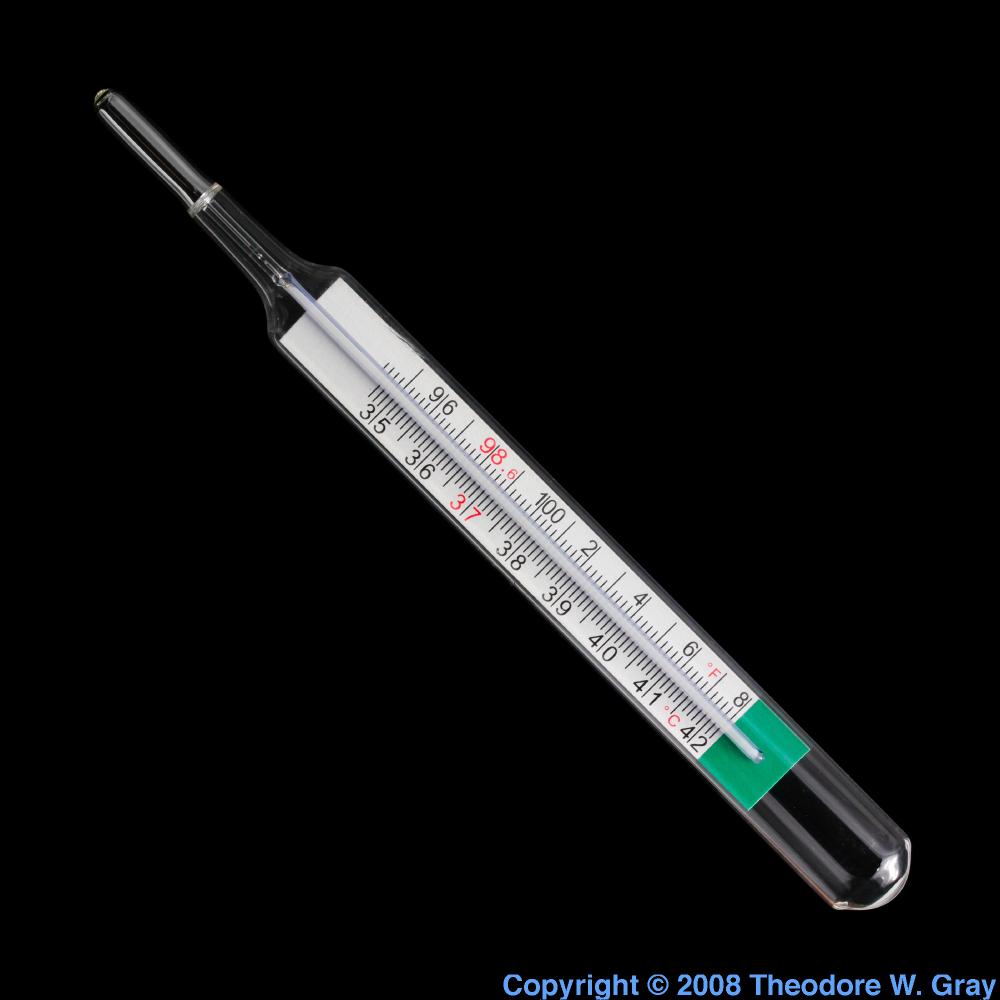
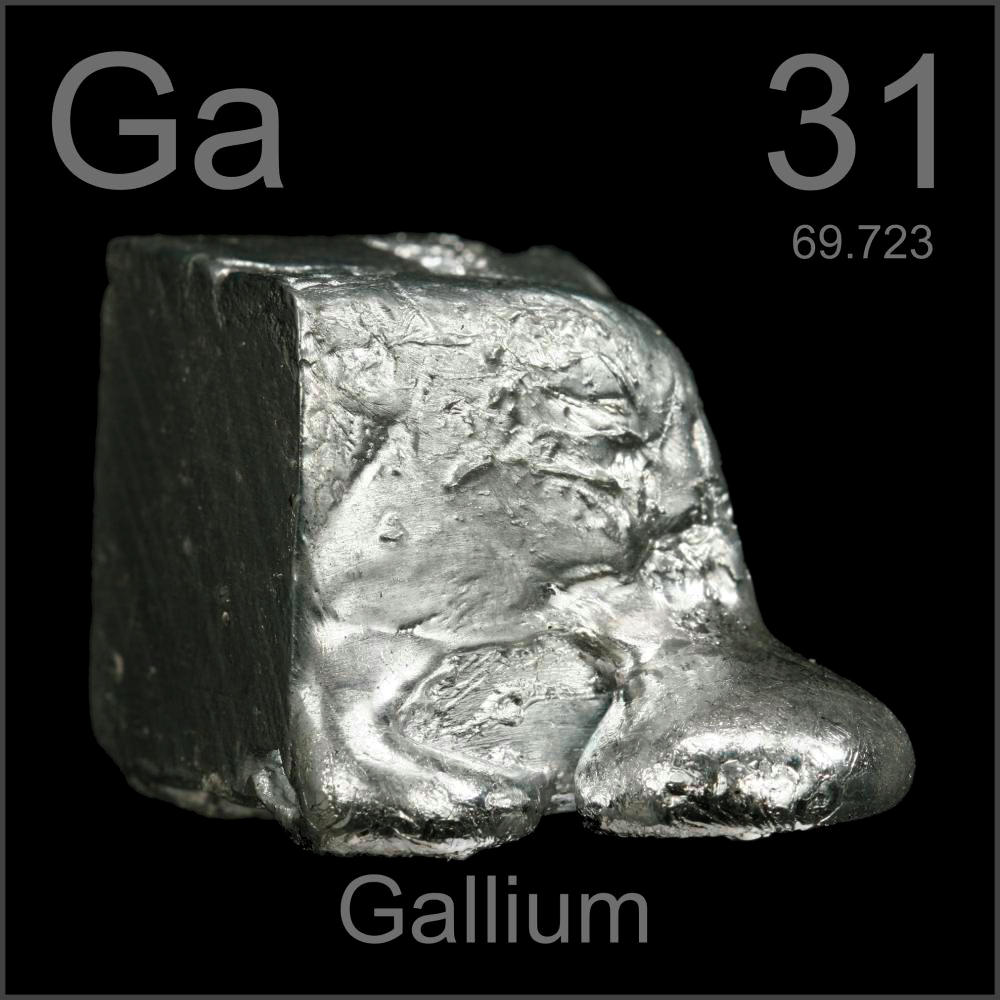 Have you ever wondered what it would feel like to hold a molten metal in your hand? The element Gallium has a melting point at 85.57°F which means you can melt it in your hand! It’s a soft, silvery metal and it is very reflective and brittle as a solid. It has one of the largest liquid ranges of any element, and is often used as a safe substitute for mercury in many thermometers. It was discovered in 1875 by the French chemist Paul-Émile Lecoq de Boisbaudron, who named it after the Latin word for France, Gallia. However, this is somewhat disputed, as some believe that Boisbaudron named the element after himself. Lecoq, his name, is similar to la coq, the French word for rooster, and the Latin word for rooster is, in fact, gallus, though he later denied this. It was also one of 8 elements Mendeleev predicted would exist when he first created the periodic table. It easily forms alloys with most metals, and has been used to create many low-melting alloys, such as Galinstan, which is a mix of gallium, indium, and tin, and exists in a liquid state in temperatures down to 2.2°F. It’s believed to be nontoxic, but it can stain skin a dark brown color. Gallium is often used in semiconductors, because it out performs many silicon semiconductors, which stop working above a few gigahertz, because gallium arsenide semiconductors function for up to 250 gigahertz, which is on the upper end of the microwave frequency range. Gallium is also present in nearly all LEDs, in forms including gallium arsenide, gallium nitride, indium gallium nitride, and many other alloys. Gallium arsenide, one of the most common gallium alloys, can even produce laser light directly from electricity. Gallium doesn’t occur in nature, and gallium-rich minerals are too rare to be a primary source of it. Gallium is often a byproduct of the production of aluminum and zinc. A common use of gallium is in the production of gadolinium gallium garnets, which are colorless crystals used to simulate diamonds in many different types of jewelry. Gallium alloys are often also used in mirrors due to its extremely reflective properties. One very important use of Gallium is in solar cells, used to produce electricity from solar power. CIGS(copper indium gallium selenide) solar cells are thin and cost very little, but are still extremely efficient. With how thin they are, they can also be placed on a flexible substrate, which means there are greater options on where they can be placed. Gallium truly is an amazing element and it is very useful for many things.
Sources
Wikipedia. Wikimedia Foundation. Web. 12 Nov. 2015.
"Gallium Element Facts." Chemicool. Web. 12 Nov. 2015.
"Gallium: The Essentials." Gallium»the Essentials [WebElements Periodic Table]. Web. 12 Nov. 2015.
Gray, Theodore W., and Nick Mann. The Elements: A Visual Exploration of Every Known Atom in the Universe. New York: Black Dog & Leventhal :, 2009. Print.
"The Element Gallium." It's Elemental -. Web. 12 Nov. 2015.
Wednesday, November 11, 2015
Subscribe to:
Posts (Atom)